When tinnitus is only part of the picture
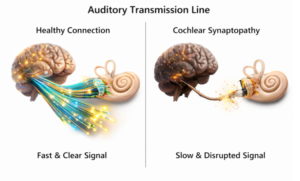
Tinnitus often arrives alongside subtle hearing changes, increased listening effort, or fatigue. Even when hearing tests appear normal, the brain may be working harder than it should to interpret sound. This extra effort is sometimes called brain load. When the brain is under strain, tinnitus tends to feel more intrusive.
Listening effort and mental fatigue
Hearing is not passive. The brain fills in gaps, predicts speech, and filters noise. When hearing becomes less efficient, even slightly, the brain compensates by working harder. Over time this can lead to tiredness, irritability, reduced concentration, and increased awareness of tinnitus.
“Many people are surprised to learn that tinnitus distress can be driven as much by listening effort as by the sound itself.”
Tinnitus as an attention magnet
When the brain is overloaded, it becomes less flexible. Attention narrows. Tinnitus often becomes the focus simply because the system has less capacity to ignore it. This is why tinnitus can worsen during stressful periods or after long days of listening, even if the sound itself has not changed.
Why early support helps
Early assessment and support can reduce brain load before tinnitus becomes deeply entrenched. This does not always mean hearing aids. It may involve education, sound enrichment, listening strategies, or structured auditory routines. Addressing the system as a whole is often more effective than focusing on tinnitus alone.
Structured sound and brain recovery
Sound used correctly can support the auditory system rather than challenge it. Gentle, well-chosen sound can reduce contrast, ease listening effort, and give the brain space to recalibrate. The goal is not to mask tinnitus, but to support the brain so that tinnitus becomes less important.
Key takeaway
“Tinnitus rarely exists in isolation. When hearing, attention, and mental load are supported early, tinnitus often becomes easier to live with. The brain is remarkably adaptable when given the right conditions.”