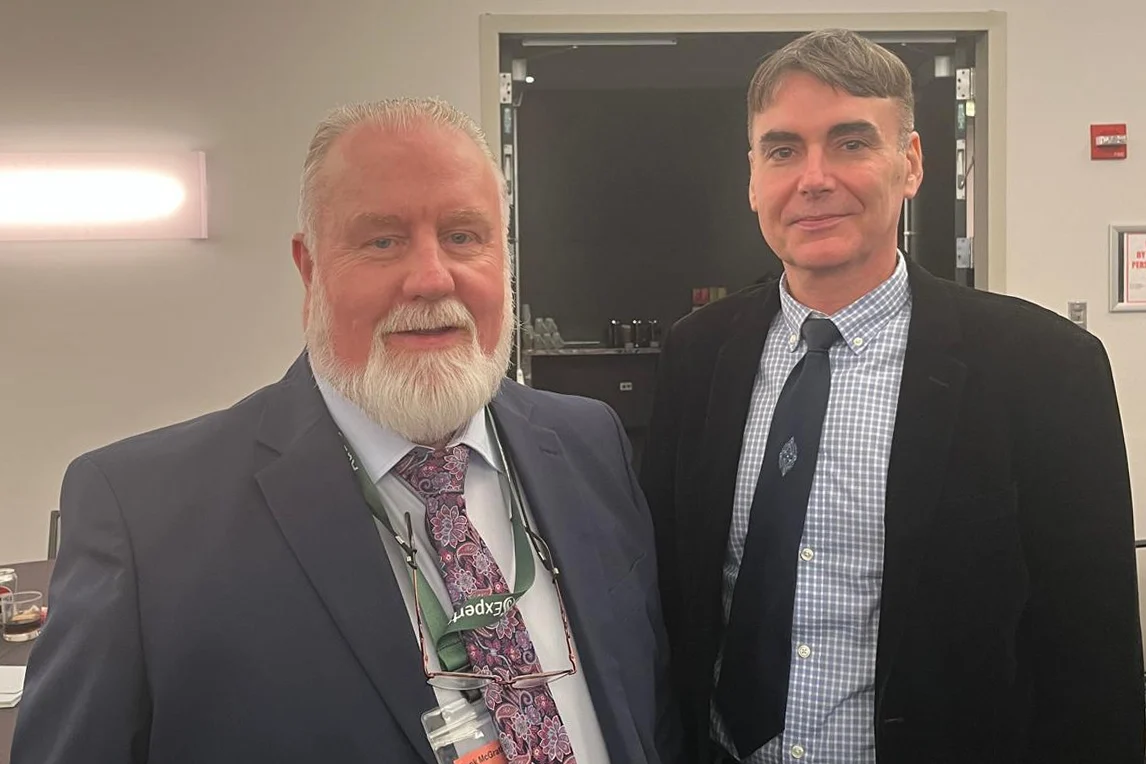
In October I attended the Tinnitus and Cognitive Decline Summit in Chicago, an international, clinically focused meeting examining the increasingly recognised links between tinnitus, hearing loss, cognitive load, and long-term brain health. The summit brought together leading clinician-scientists, epidemiologists, and professional bodies, reinforcing the view that tinnitus is best understood not as an isolated auditory symptom, but as part of a broader neuro-cognitive and behavioural system.
The Role of Listening Effort
A central theme throughout the programme was the role of listening effort, attentional demand, and cognitive strain in shaping tinnitus severity and persistence.
Speakers repeatedly highlighted that tinnitus intrusiveness often reflects how the brain is coping with auditory input, stress, fatigue, and uncertainty, rather than changes in the tinnitus signal itself. This perspective has important implications for patients who present in primary care with tinnitus alongside poor sleep, anxiety, concentration difficulties, or a subjective sense of mental exhaustion, even in the presence of apparently normal audiometric thresholds.
Expert Perspectives on Cognitive Load
Dr. Keith Darrow, an audiologist and neuroscientist with extensive experience at the intersection of hearing loss and cognitive decline, made a particularly strong contribution. His work has consistently highlighted how untreated auditory difficulty increases cognitive load, accelerates fatigue, and may contribute to downstream effects on memory, balance confidence, and quality of life.
“At the summit, this framework was extended to tinnitus, positioning tinnitus distress as a marker of increased neural effort and attentional narrowing.”
For GPs, this reinforces the importance of viewing tinnitus complaints within a broader cognitive and functional context, rather than treating them as a benign or purely sensory nuisance.
Dr. Douglas Beck, a long-standing leader in audiology education and clinical translation, provided a valuable systems-level perspective. His contribution focused on bridging research findings with real-world clinical practice, particularly the need for structured, evidence-informed pathways that clinicians can realistically deliver. His emphasis on consistency, patient understanding, and interdisciplinary collaboration strongly aligned with the summit’s broader message that tinnitus care is most effective when it is staged, educational, and behaviourally informed.
Neuroscience & Clinical Consensus
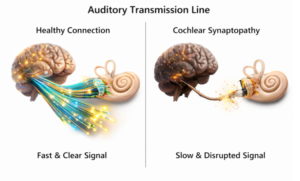
From a neuroscience perspective, Dr. Stephan Maison of Harvard Medical School brought critical depth to discussions around auditory nerve function, synaptopathy, and central auditory processing. His research has been instrumental in advancing understanding of how auditory nerve damage and altered neural coding can occur even when standard audiograms appear normal. This work provides an important scientific backdrop for why some patients experience significant tinnitus and listening difficulty without overt hearing loss.
The summit was formally endorsed and attended by the American Tinnitus Association (ATA), underscoring its credibility and clinical relevance. The ATA was represented by its new CEO, Patrick Lynch, whose presence reflected the organisation’s commitment to fostering closer alignment between research, clinical care, and patient advocacy.
Key Message for GPs
For GPs, the key message from the summit is that tinnitus can serve as an early indicator of auditory system strain and increased cognitive load, particularly in midlife and older adults.
Early referral for comprehensive audiological assessment and structured tinnitus support may therefore play a role not only in alleviating tinnitus distress, but also in supporting broader cognitive wellbeing and daily functioning.
“The summit reinforced the value of collaborative care pathways between primary care and audiology, recognising tinnitus as a condition that sits at the intersection of hearing, brain function, attention, and quality of life.”